Tough Talks: Self-Esteem
Learn how parents and caregivers influence their child’s self-esteem and
how to boost their self-esteem through at-home modeling and interventions.
Parents, guardians, and caregivers are the primary role models for their children, influencing communication styles, emotion regulation, boundary setting, and self-view. The way you demonstrate these skills are observed and mimicked by your child and can impact their self-esteem.
What is Self-Esteem?
Self-esteem is the idea of feeling good about yourself; feeling liked, accepted, confident, and proud, and believing positive thoughts about yourself. Having strong self-esteem helps children try their best, cope with mistakes, and be resilient. A child may be experiencing low self-esteem when they believe others will not accept them, are isolated socially, give up easily, struggle to stand up for themselves, and have trouble regulating their emotions. The development of self-esteem starts at birth and evolves throughout the lifespan based on environmental factors (e.g. parenting style, social situations).
How Can Parents Build Self-Esteem?
Parents are the number one models of positive self-esteem characteristics for their children. When it comes to self-esteem, your children first learn from watching how you treat yourself, what you say to yourself, and how you let others treat you. We all struggle with self-esteem, and it can be hard to seemingly have it all together for our children. The goal is not to be a perfect parent, but to be one that shows up. Parents can support their child’s self-esteem by mindfully integrating skills at home.
Interventions to build your child’s self esteem at home include:
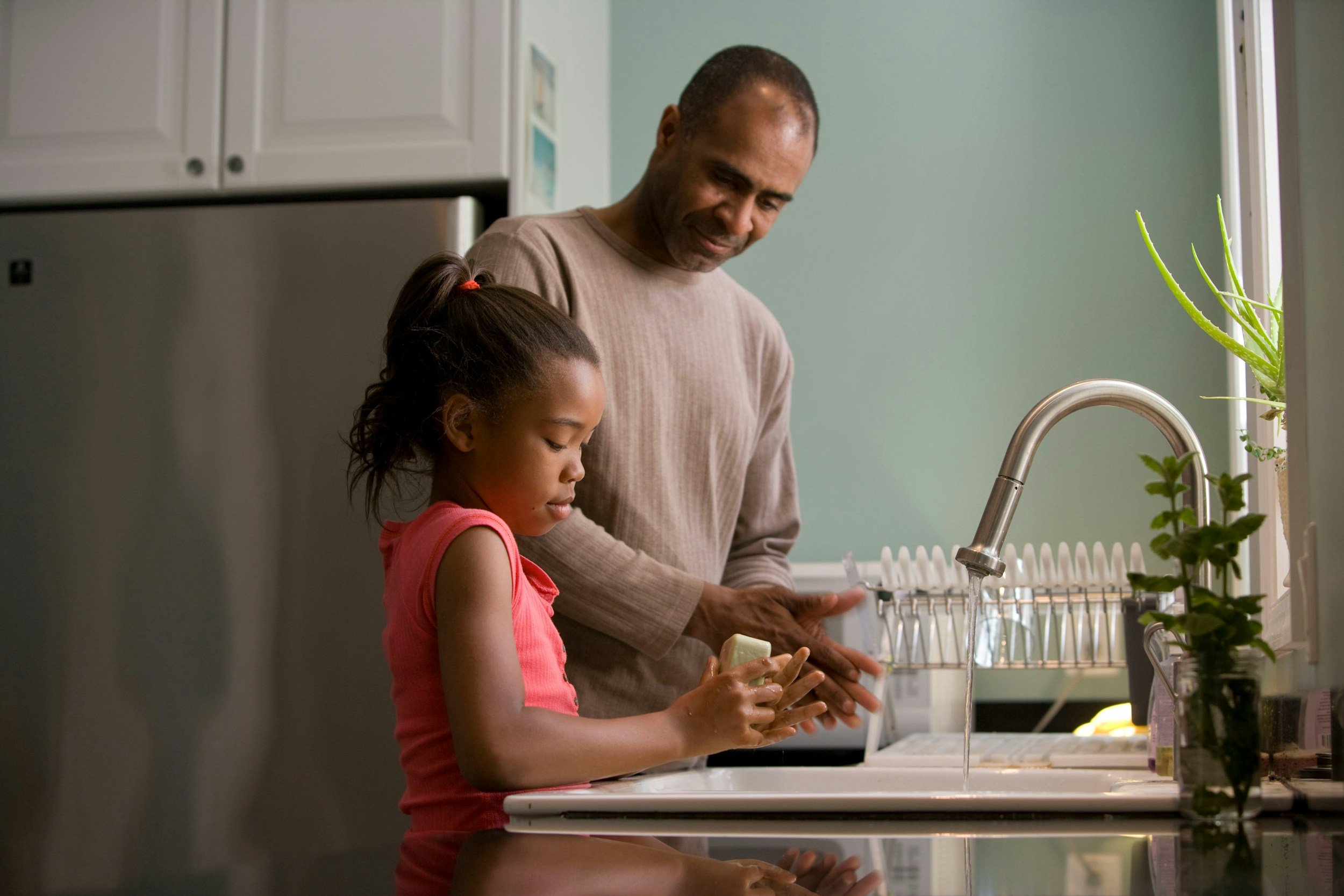
Teach a new skill: Start with initially demonstrating and helping your child learn something new, like making their favorite food. As time goes on, help them progress to independently completing the skill, even if they make mistakes. Eventually they will have mastered this skill with your support and guidance!
Praise efforts: Avoid heavily praising results (like getting an A) or qualities (like being smart or athletic). Instead, congratulating kids on their effort, progress, and attitude towards difficult situations will enhance their self-esteem and belief in themselves. For example, "I'm proud of you for practicing piano — you've really stuck with it." With this kind of praise, kids put in effort to work toward goals, making them more likely to succeed.
Be honest, yet caring: Be genuine with your praise. For example, telling your child they played a great game when they are aware that they didn't can feel dismissive of their interpretations. Instead you can say, "Even though that wasn’t your best game, I'm proud of you for not giving up." Add a vote of confidence: "You'll do well next week." This not only validates their emotions and demonstrates emotion regulation skills, but shows them that you were present; watching them, paying attention, mindful in the moment, and focused on how important they are to you.
Be a good role model: Children are constantly observing and mimicking the behaviors of their parents. Think about what you desire for your child. Is it completing tasks without complaint? When you put effort into everyday tasks without complaining, avoid rushing through chores, take pride in a job well done, your child is more likely to follow these behaviors. How about sticking up for themselves on the playground? Model healthy boundaries with friends/family members, stand up for yourself, and demonstrate conflict resolution, emotion regulation, and effective communication skills. To show your child to appreciate and accept themselves, remember to speak kindly about yourself and others.
Avoid being critical: The messages kids hear about themselves from others often affect their self-esteem. Steer clear from harsh words or negative statements (like calling a child lazy, a liar, or “bad”). Correct your child with patience. Focus on what you want them to do next time, and when needed, show them how.
Focus on strengths and notice what goes well: Think back to when you were a child; did your parent shut down your dream to become an artist, racecar driver, or chef? Remember to pay attention to what your child does well and enjoys, focusing more on strengths than weaknesses. When parents encourage and support their child’s interests, it not only boosts their self-esteem, but their mood and behavior. After all, they are not going to become a racecar driver overnight - there is plenty of time for them to explore various skills and interests. If you hear your child complaining about their day, validate their emotions first, then try and help them find something that went well. Try this: each night before bed, engage them in a positive thinking exercise where you both identify 3 good things that happened that day.
Encourage healthy friendships: the best way to influence your child’s friendships is by modeling positive relationships, facilitating social opportunities, and demonstrating essential social and emotional skills like empathy, healthy communication, setting and respecting boundaries, and conflict resolution. Guide conversations through open-ended questions about their friends and what they like or dislike about them. Listen more than you lecture to build trust. Foster autonomy by encouraging them to make their own choices about who they spend time with while still providing guidance.
If you find that you have struggled to incorporate these skills in the past but would like to do so moving forward, it is okay to talk to your child about this. It does not show your child weakness if you admit your faults. For example, if your child heard you saying how much you hate the wrinkles on your forehead, it is okay to talk to them about how you want them to use kind words towards themselves and how you want to use nicer words when talking about yourself. You’ll be surprised how quickly they help you both reach this goal! Most importantly, when we model healthy self-esteem, we develop healthy self-esteem ourselves, and show our kids it’s possible, too.